Thursday, October 15, 2026Developing PakistanIslamabad
Sector deep-dives on the corporates and industries defining Pakistan's next economic cycle — banks, cement, textiles, autos and FMCG.
Gilgit-Baltistan has launched a €54.24 million, or roughly Rs17.2 billion, rural development and climate resilience programme aimed at strengthening basic infra…

Pakistan’s technology sector is beginning to move beyond providing services and towards building deeper local technical capabilities. A recent visit to Huawei’s…

Karachi Port has reached its highest recorded level of liner shipping connectivity, giving Pakistan a stronger link to international maritime trade networks. Th…

Pakistan is moving towards another major road project in the country’s mountainous north, with work on the proposed Mansehra–Babusar Top–Chilas motorway expecte…

Construction of Pakistan’s Diamer-Bhasha Dam has reached a significant new stage with the formal extraction and transportation of pozzolan material from Gini in…

Pakistan is investing heavily in artificial intelligence skills. The country has announced plans to train one million people in IT and AI, while universities, t…

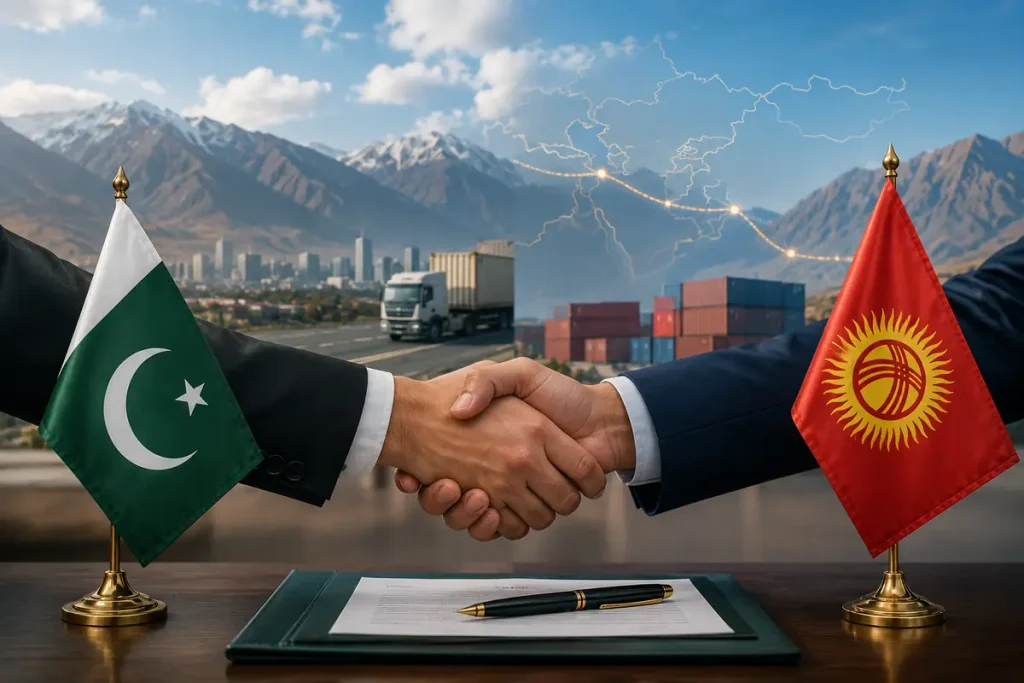
Pakistan and Kyrgyzstan have signed an agreement to increase annual bilateral trade from around $16 million to $200 million within the next two years, marking a…
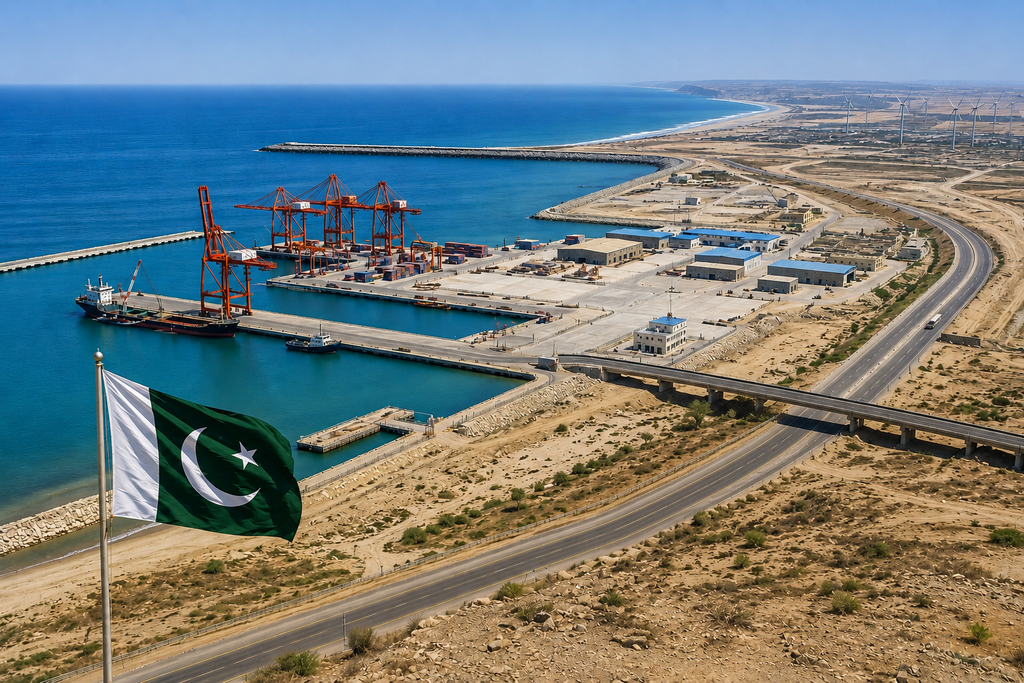
Pakistan is examining the potential development of Keti Bunder Port in Sindh as an additional maritime gateway, with China Harbour Engineering Company presentin…
Pakistan has begun accelerating discussions around the next phase of the China-Pakistan Economic Corridor as the federal government reviews progress on the CPEC…
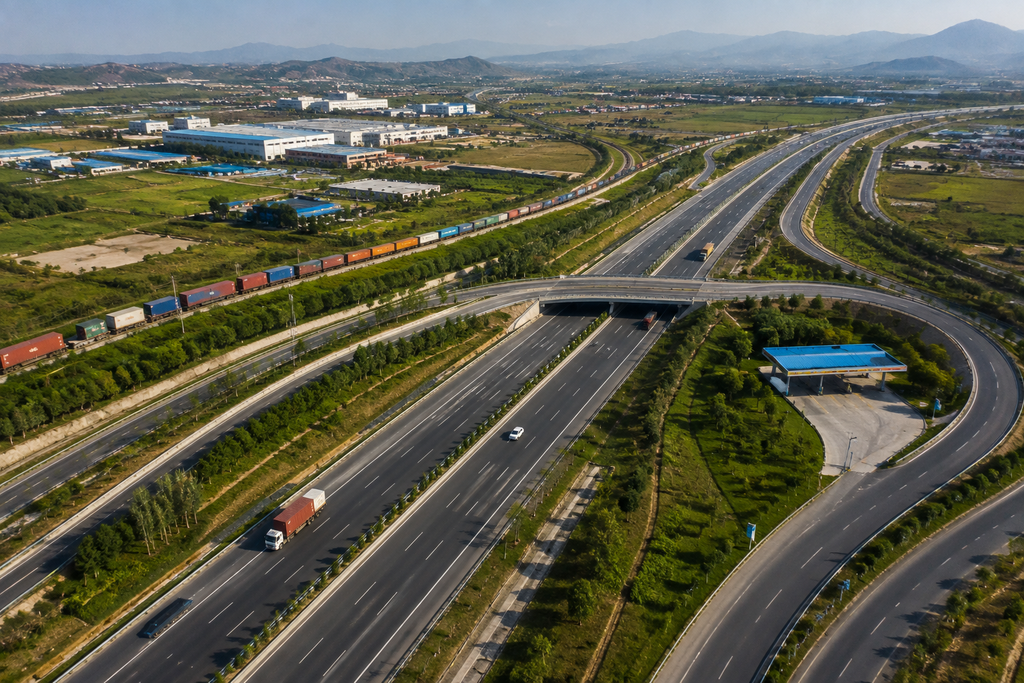
Pakistan is moving to accelerate the implementation of key infrastructure and development projects under the next phase of the China Pakistan Economic Corridor,…
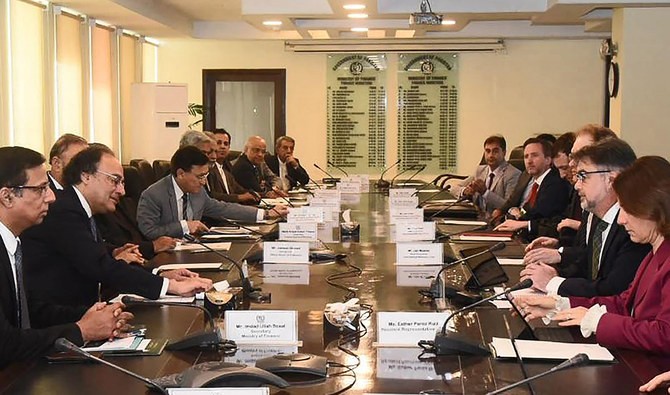
The $3 billion Stand-By Arrangement has restored credibility and unlocked multilateral inflows. It has also enforced a growth ceiling of 2–2.5% while structural…
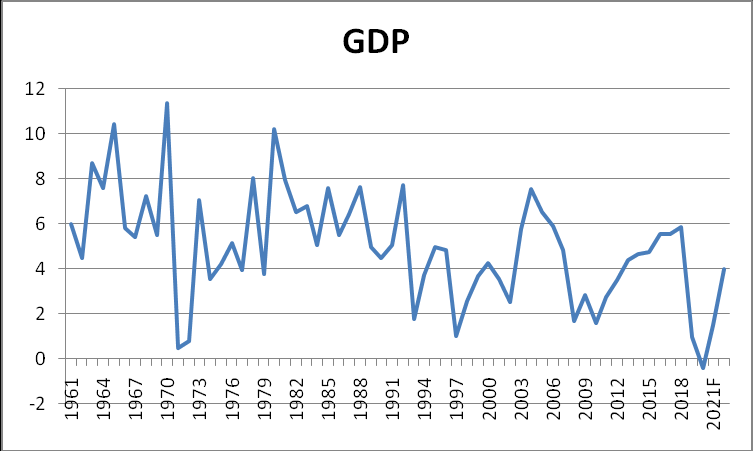
Growth has settled into a low-equilibrium band far below the 4–5% historical average. Stability is real. Recovery isn't.
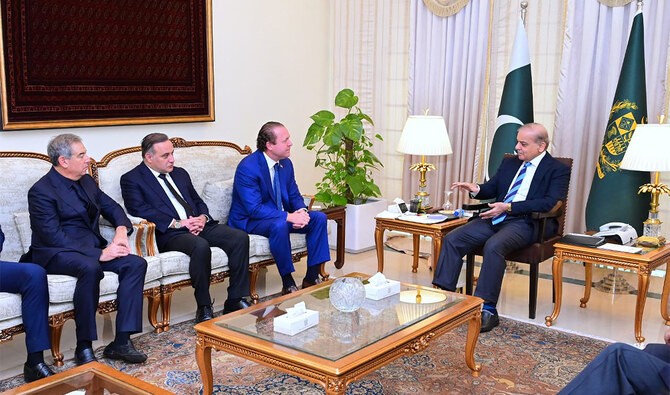
FDI inflows have crossed $1.2–1.4 billion annualised. It's a re-entry phase, not a full recovery — but investor mood has clearly turned.
Foreigners have returned to the KSE-100, but flows are tactical — $50–100M in and easily reversible. Liquidity is back. Long-term commitment isn't.
Total investment is still below 15% of GDP versus 25–30% in emerging Asia. Predictability, not liquidity, is the missing input.
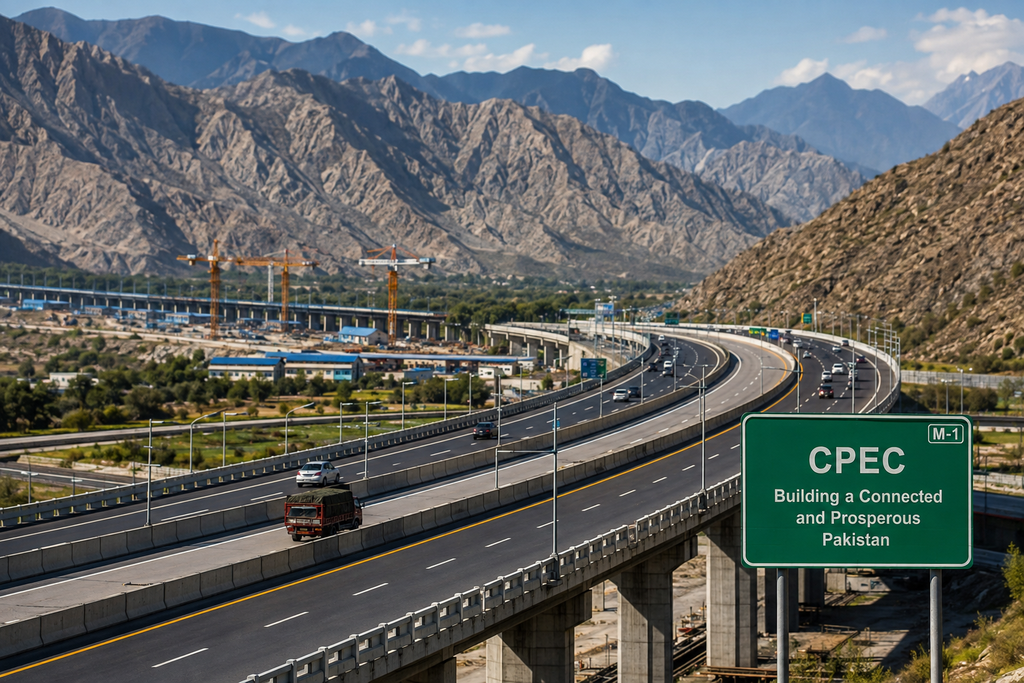
Phase two of CPEC is about SEZs, manufacturing and B2B linkages — not highways. Trade with China has crossed $25B, but the balance is still one-sided.
Domestic sales are down 10–15% while installed capacity has crossed 80 million tons. Utilisation below 60% is squeezing everyone but the export-ready majors.