Thursday, October 15, 2026Developing PakistanIslamabad
Long-form reporting, sector deep-dives, and analytical dispatches on the forces shaping Pakistan's economy.
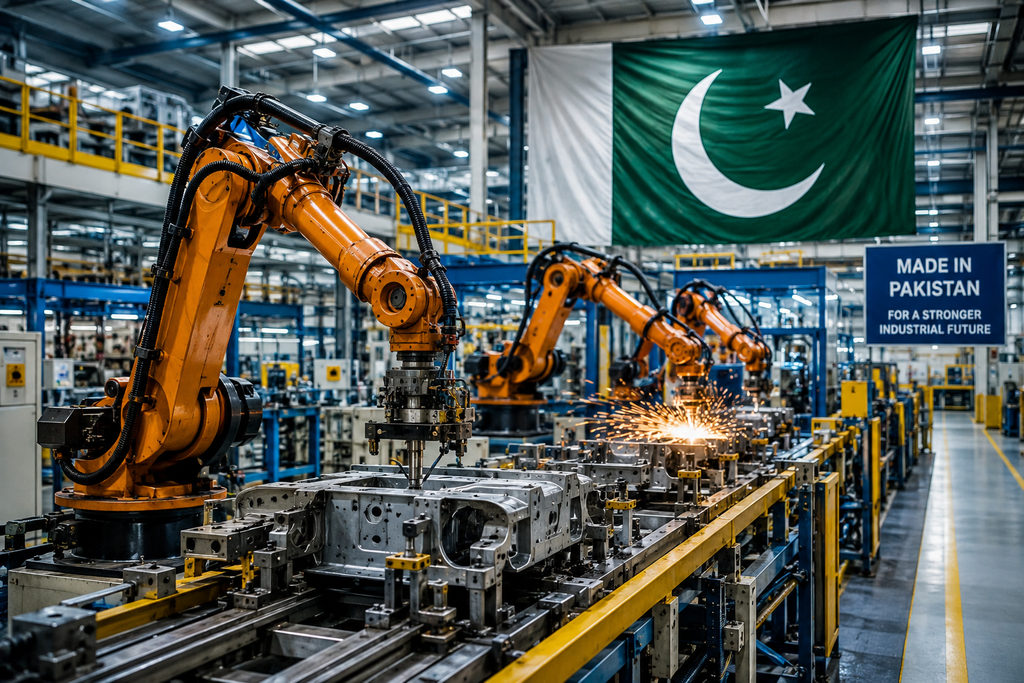
Pakistan’s manufacturing sector is showing renewed signs of momentum, with large-scale manufacturing rebounding strongly during FY2026 after a period of contraction. The recovery h…
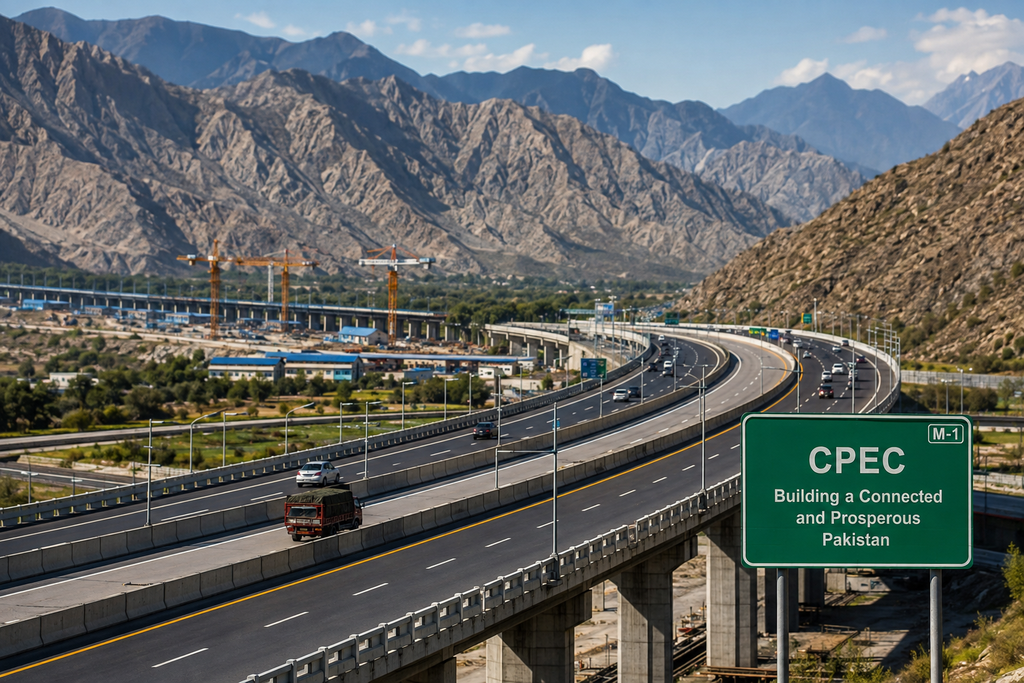
Pakistan is moving to accelerate the implementation of key infrastructure and development projects under the next phase of the China Pakistan Economic Corridor, as the government p…
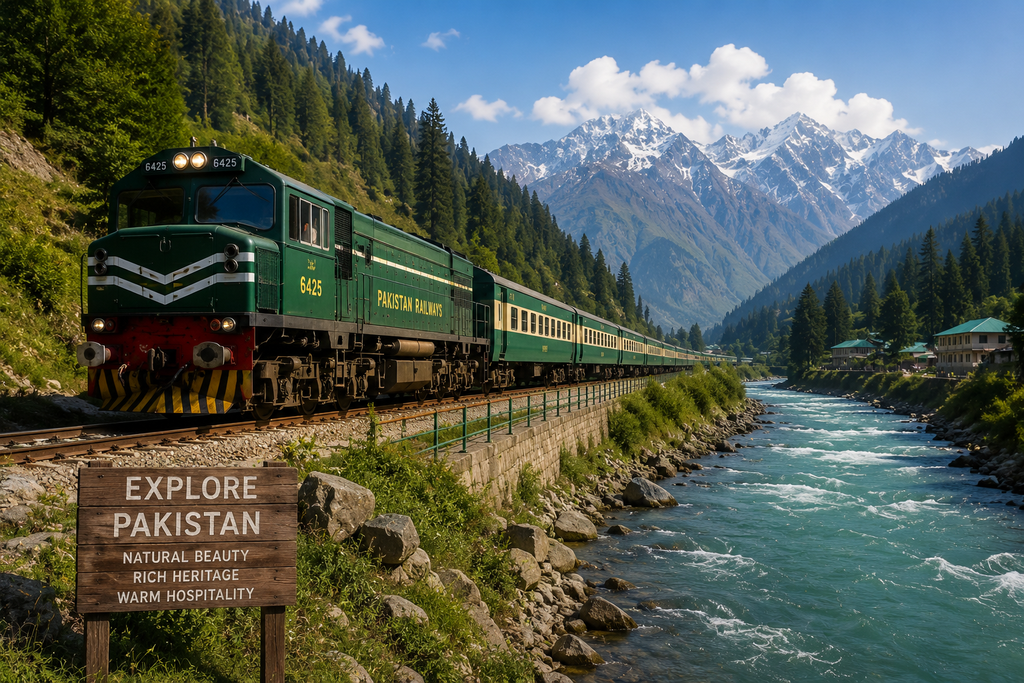
Pakistan is exploring new ways to strengthen tourism through improved railway connectivity, with Federal Minister for Railways Muhammad Hanif Abbasi and Prime Minister’s Adviser an…
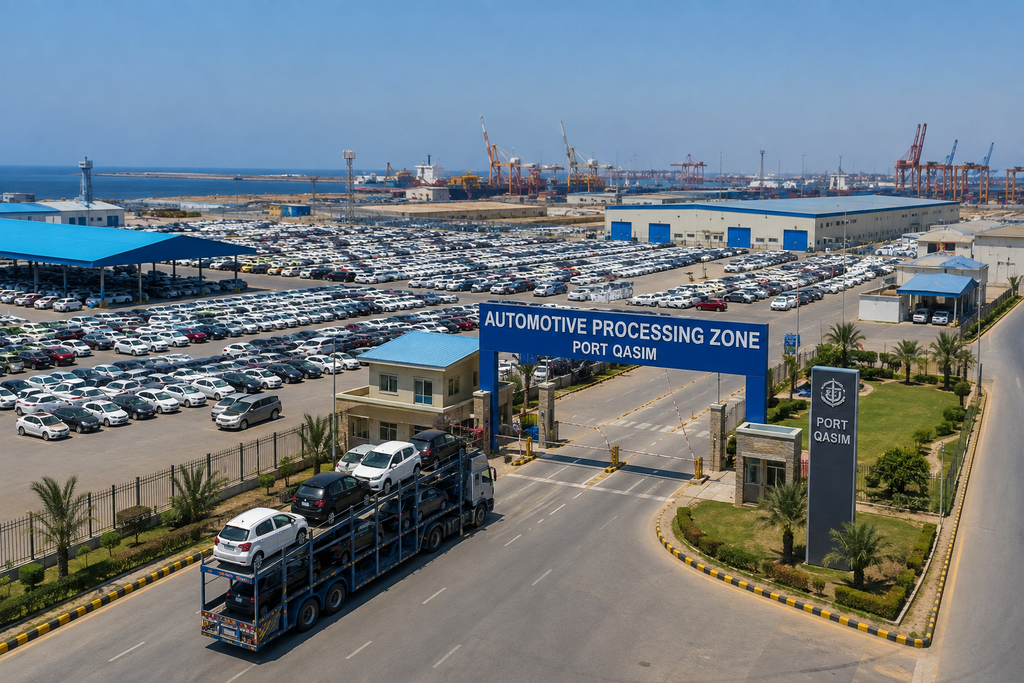
Pakistan is set to establish a 150-acre Automotive Processing Zone at Port Qasim, Karachi, as part of efforts to strengthen the country’s automotive ecosystem and improve industria…
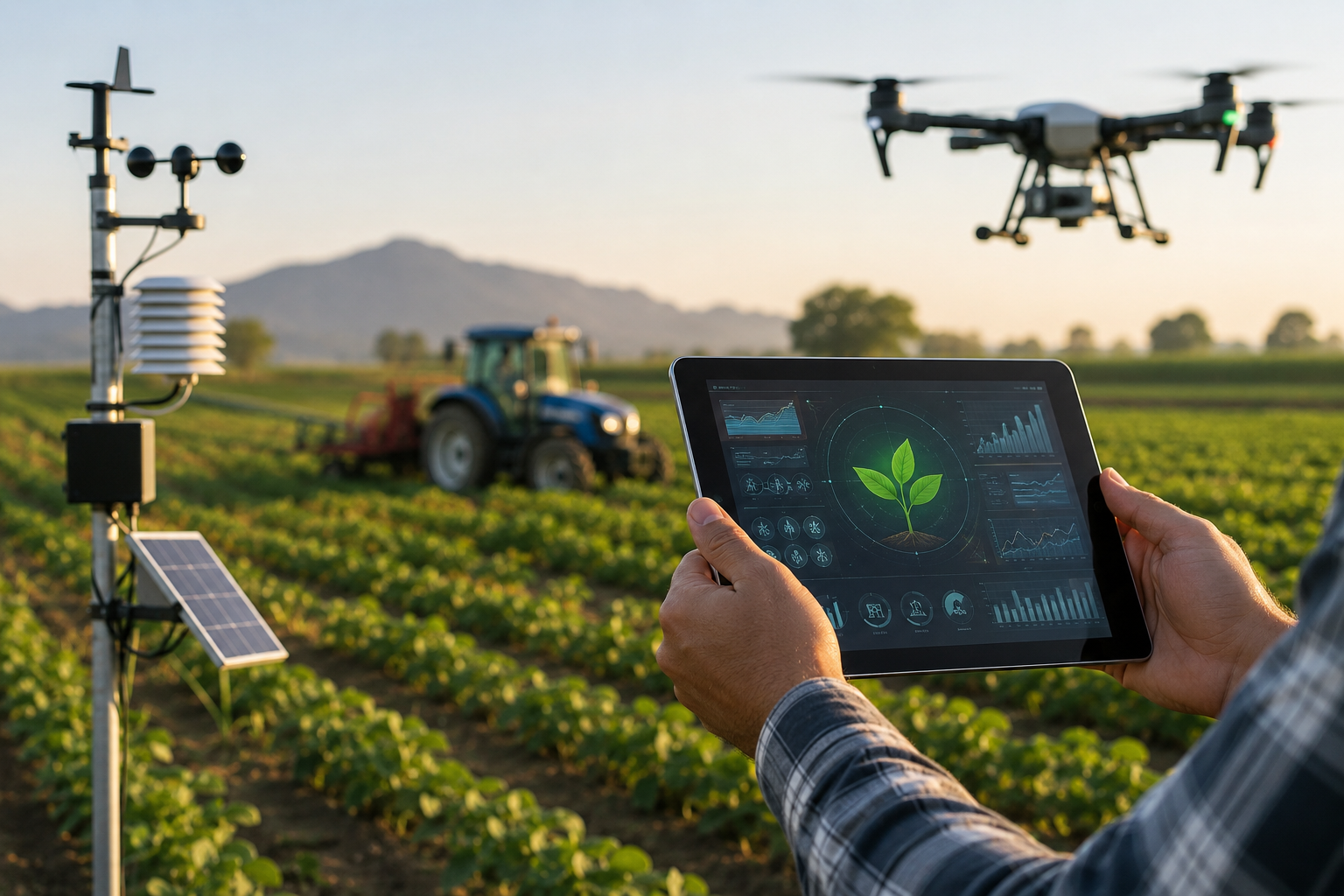
Pakistan is moving towards greater use of artificial intelligence and digital technologies to modernise its agriculture sector, with new initiatives focused on improving crop monit…
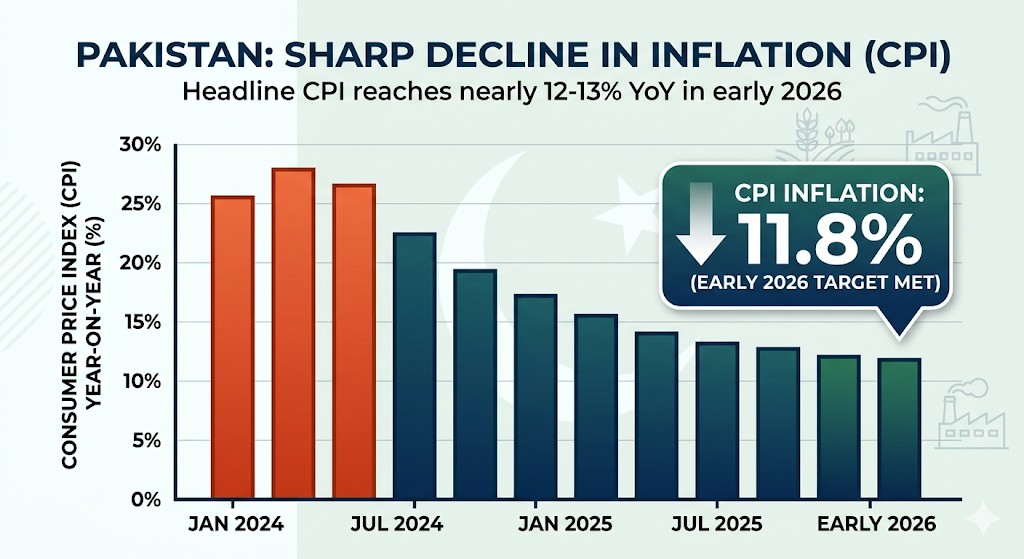
Headline CPI has fallen to roughly 12–13% year-on-year in early 2026, down from peaks above 30% in 2023. The disinflation is real, but the structural story is not yet over.
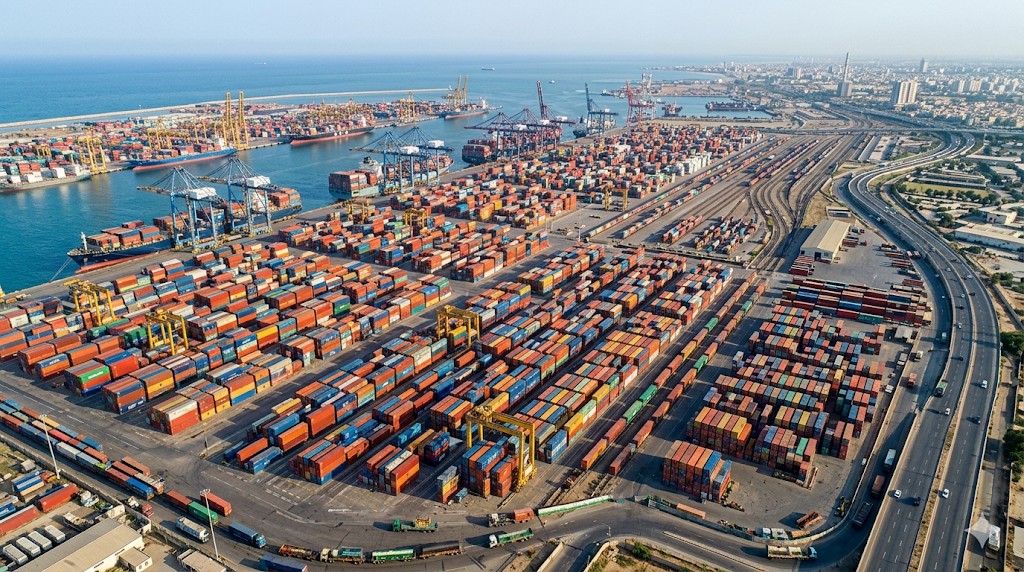
A cumulative surplus above $1 billion reverses a $17 billion deficit from FY2022. The relief is real — but the underlying story is import suppression, not export dynamism.
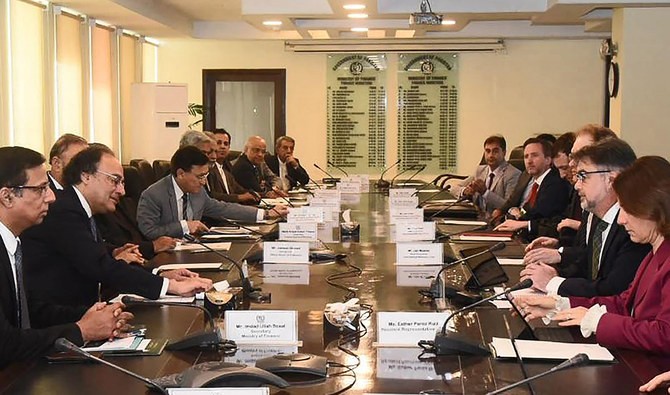
The $3 billion Stand-By Arrangement has restored credibility and unlocked multilateral inflows. It has also enforced a growth ceiling of 2–2.5% while structural reforms lag.
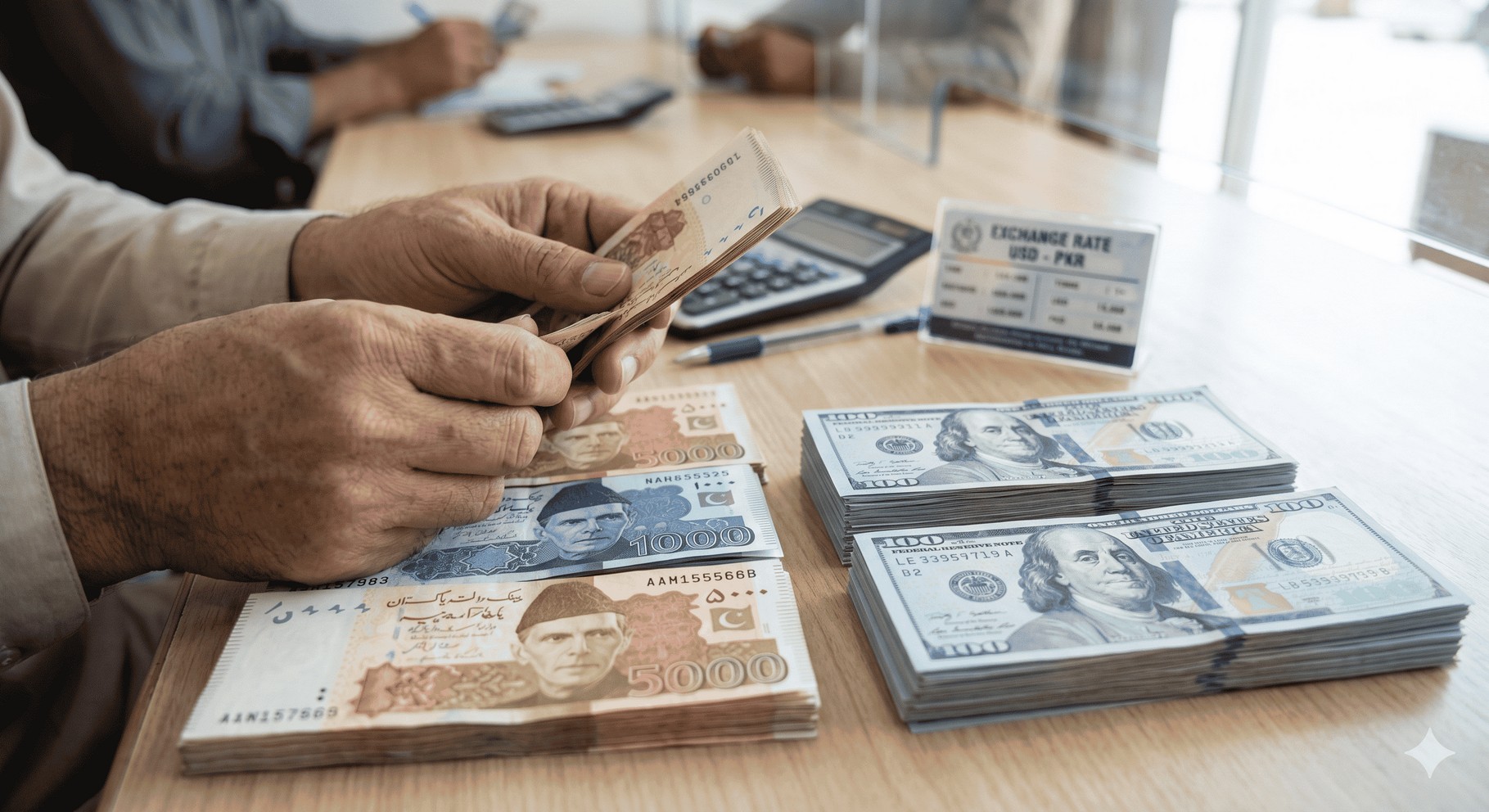
The rupee is trading between 275 and 285 to the dollar, well off its 300+ lows. Reserves, remittances and enforcement all helped — but competitiveness questions linger.
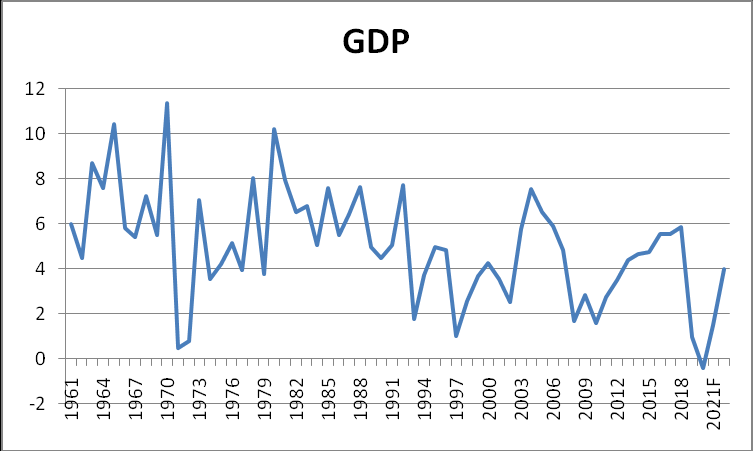
Growth has settled into a low-equilibrium band far below the 4–5% historical average. Stability is real. Recovery isn't.
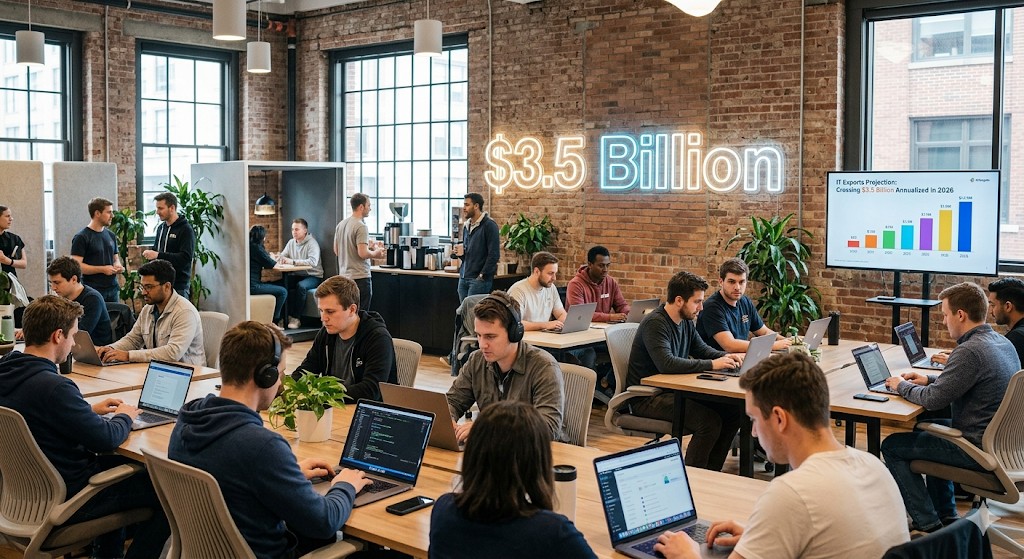
IT exports are on track to cross $3.5 billion annualised, growing 10–15% despite the global tech slowdown. Policy execution — not talent — is now the ceiling.

Deal volume is still down 50–60% from the 2021 peak. But the ecosystem coming out the other side has better unit economics and less foreign dependency.